How Industrial Inspection Robots Are Transforming Manufacturing & Infrastructure
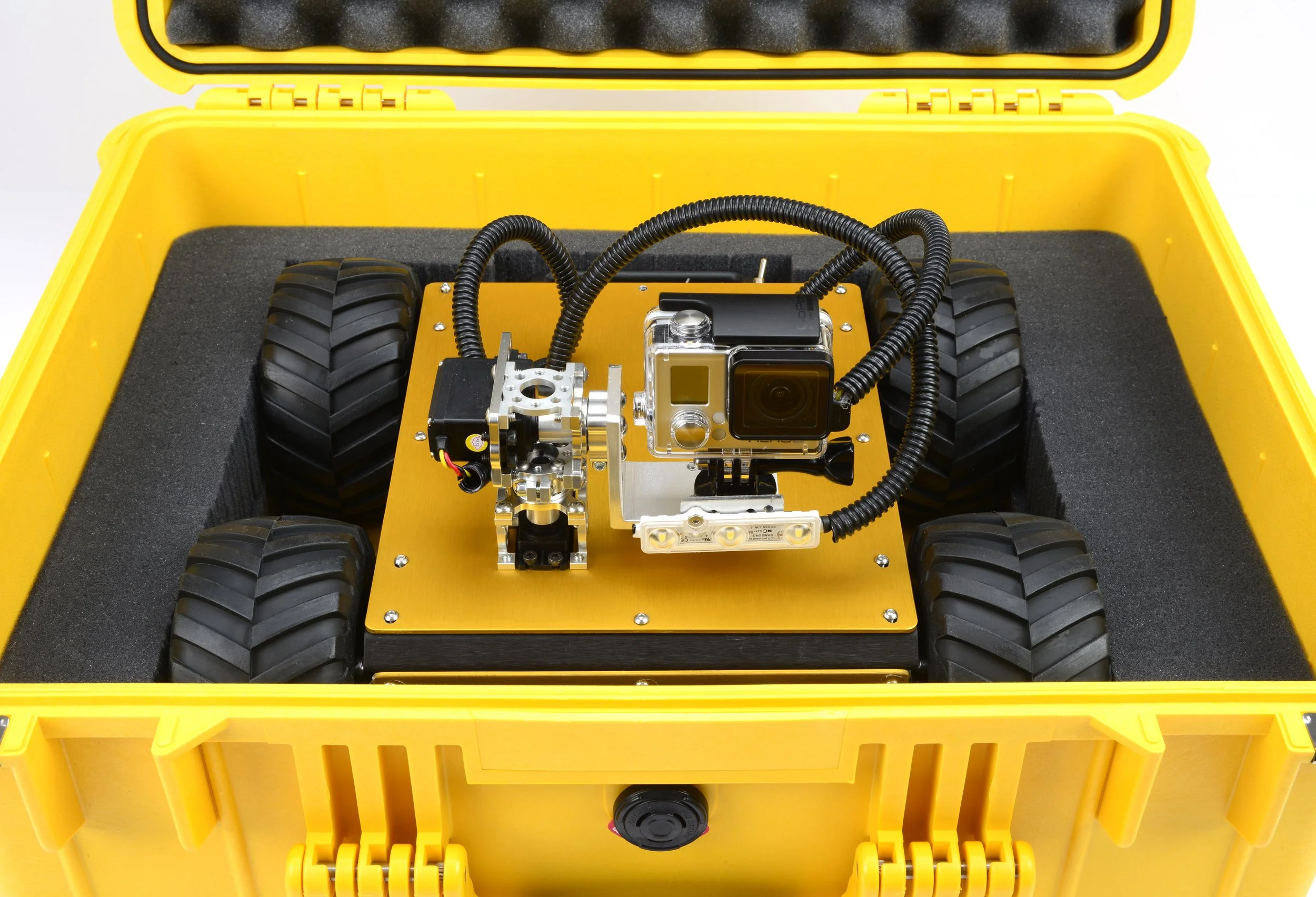
In today’s fast-paced industrial landscape, safety, accuracy, and efficiency are no longer optional—they’re essential. One technology leading this transformation is the industrial inspection robot. From manufacturing plants to large-scale infrastructure projects, these advanced robotic systems are redefining how inspections are performed, helping businesses reduce risk, save costs, and improve operational performance.
The Shift from Manual to Robotic Inspections
Traditional inspection methods often rely on manual labor, scaffolding, shutdowns, and exposure to hazardous environments. This approach is not only time-consuming but also risky and expensive. Industrial inspection robots eliminate many of these challenges by accessing confined, elevated, or dangerous spaces with ease. Whether it’s inspecting pipelines, tanks, boilers, or structural components, robots can operate where humans cannot—safely and efficiently.
Enhancing Safety and Reducing Downtime
One of the most significant advantages of using an industrial inspection robot is improved worker safety. Robots reduce the need for human inspectors to enter high-risk environments such as toxic atmospheres, extreme temperatures, or structurally compromised areas. By deploying robotic inspection systems, companies can prevent accidents while maintaining compliance with safety regulations.
Additionally, robotic inspections often require little to no shutdown time. In manufacturing and infrastructure, downtime equals lost revenue. Robots can perform real-time inspections while systems remain operational, minimizing disruptions and maximizing productivity.
Precision, Data, and Predictive Maintenance
Modern industrial inspection robots are equipped with high-resolution cameras, sensors, and advanced data-capture technology. This allows for precise detection of cracks, corrosion, leaks, and structural weaknesses that may be invisible to the naked eye. The data collected can be stored, analyzed, and compared over time, enabling predictive maintenance rather than reactive repairs.
Predictive maintenance helps organizations address issues before they escalate into costly failures. For manufacturers and infrastructure managers, this means longer asset life cycles, reduced repair costs, and better planning.
Versatility Across Industries
Industrial inspection robots are not limited to one sector. They are widely used in manufacturing, oil and gas, energy, utilities, transportation, and public infrastructure. From inspecting production lines and machinery to bridges, tunnels, and water systems, these robots offer unmatched versatility. Their adaptability makes them a valuable investment for organizations seeking long-term efficiency and reliability.
The Future of Industrial Inspections
As robotics and AI technology continue to evolve, industrial inspection robots will become even more autonomous, intelligent, and data-driven. Integration with machine learning and cloud-based analytics will further enhance decision-making and operational insights. Companies that adopt robotic inspection solutions today are positioning themselves at the forefront of innovation and competitiveness.
Partner with Inspectorbots
At Inspectorbots, we specialize in advanced robotic inspection solutions designed to meet the demands of modern industries. Our expertise helps businesses improve safety, reduce costs, and gain accurate insights through cutting-edge robotic technology.
To learn more about how an industrial inspection robot can transform your operations, visit https://www.inspectorbots.com/ or contact us at 303-665-4730.