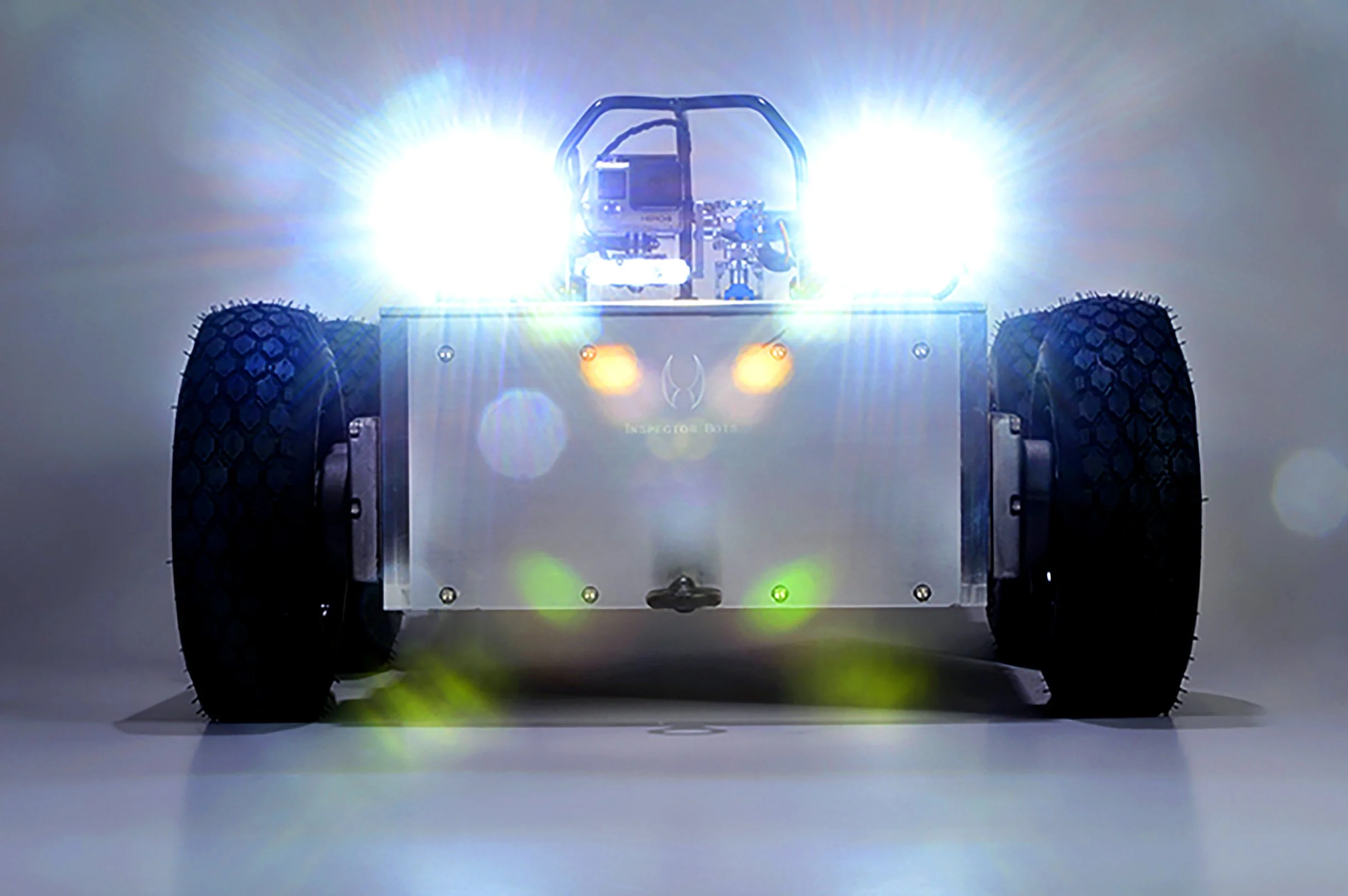
Industrial facilities depend on regular inspections to keep equipment, infrastructure, and operations running safely. However, traditional inspection methods can expose workers to hazardous environments, difficult-to-reach areas, and unnecessary operational risks. An Industrial Inspection Robot offers a modern solution by using advanced robotics and imaging technologies to collect valuable inspection data while reducing the need for personnel to enter dangerous locations.
Improving Workplace Safety
Safety is one of the biggest advantages of industrial inspection robots. Industrial environments may include confined spaces, elevated structures, pipelines, tanks, tunnels, storm drains, and areas containing hazardous substances. Sending workers into these locations can increase the possibility of injuries or accidents.
Inspection robots can enter challenging environments remotely, allowing operators to examine potential problems from a safer location. By reducing human exposure to dangerous conditions, robotic inspection technology can support stronger workplace safety practices while maintaining regular inspection schedules.
Increasing Inspection Accuracy
Human inspections can sometimes be affected by limited visibility, fatigue, difficult access, or environmental conditions. Industrial inspection robots can provide consistent visual data through high-resolution cameras, sensors, and other specialized inspection equipment.
Robots can capture detailed images and videos of equipment and structures, helping inspection teams identify cracks, corrosion, leaks, blockages, structural damage, and other potential issues. Recorded inspection data can also be reviewed later, making it easier to compare current conditions with previous inspections and monitor changes over time.
Boosting Operational Efficiency
Industrial inspection robots can help companies complete inspections more efficiently. Instead of relying entirely on manual inspection teams and complicated access procedures, organizations can deploy robotic systems to investigate areas that may otherwise require significant preparation.
Faster inspections can reduce downtime and help maintenance teams respond to problems earlier. Identifying small issues before they become major failures can potentially reduce repair costs and support more reliable industrial operations.
Supporting Preventive Maintenance
Regular inspection is an important part of preventive maintenance. An Industrial Inspection Robot can help companies collect consistent information about the condition of critical infrastructure. This information allows maintenance professionals to make better-informed decisions about repairs, replacements, and future inspections.
Robotic inspection technology can be particularly valuable when facilities need repeat inspections over time. Consistent data collection makes it easier to track deterioration and prioritize maintenance based on actual conditions.
The Future of Industrial Inspections
As robotics, cameras, sensors, and remote-control technologies continue to advance, industrial inspection robots are becoming increasingly useful across many industries. They provide a combination of safety, accuracy, accessibility, and efficiency that can complement traditional inspection methods.
For organizations looking to modernize their inspection processes, Inspectorbots provides robotic inspection solutions designed to help businesses examine challenging environments while improving operational safety and efficiency. To learn more, visit: https://www.inspectorbots.com/ or call 303-665-4730.